

An OEM sauna project needs an approved product specification as well as a logo. From a factory perspective, branding, cabin construction, electrical configuration, packaging and instructions must describe the same final product. At MAJUS, we recommend a staged brief: identify a reference model, list requested changes, review feasibility and approve a documented sample before committing to the production configuration. Custom options, minimum quantities, costs and timing require project-specific confirmation.
1. Separate branding requests from product changes
A private-label request may involve packaging artwork and product identification, while a broader OEM project may propose changes to components, dimensions or controls. Treat these as separate requests. A small visual change and a change to the heating system should not be assumed to have the same approval process.
| Brief section | Information to supply | Confirmation to request |
|---|---|---|
| Brand presentation | Logo artwork, placement preference and packaging concept | Available application method, artwork proof and any setup charge |
| Product configuration | Reference model and an itemized change list | Feasibility, component availability and updated specification |
| Destination market | Sales country, intended application and language requirements | Relevant product documentation and configuration review |
| Customer experience | Assembly instructions, accessory list and service expectations | Deliverables included with the finished product |
| Commercial scope | Quantity by variant and launch window | Minimum quantities, charges and a proposed approval schedule |
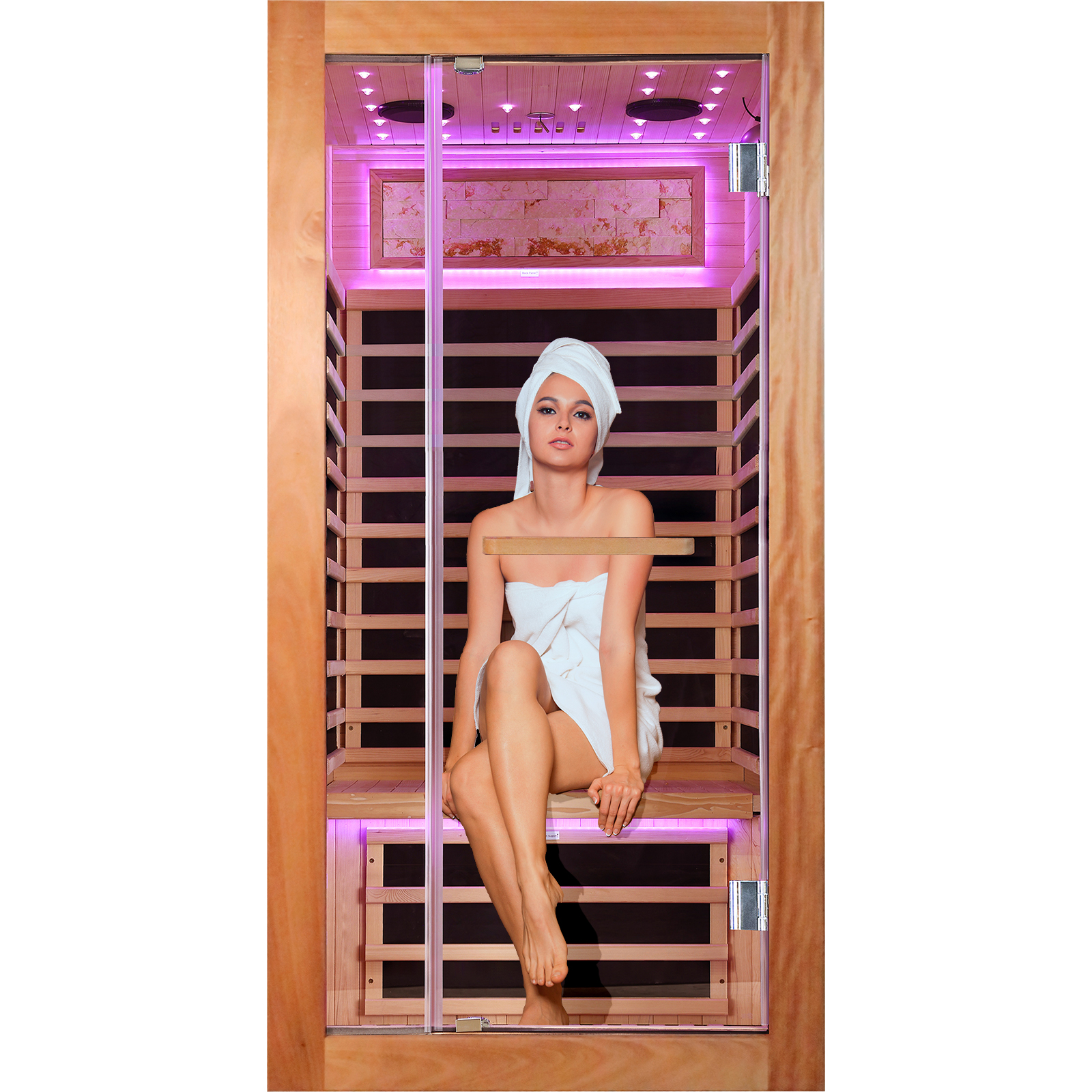
Use the MAJUS HF1 as a reference only when its base configuration suits the project: its current listing describes a one-person infrared cabin rated at 1,350W and 120V, with 7 heating plates. Requesting a different voltage, cabin size or heating layout creates a change to review; it is not an option this article promises is available.
2. Create a sample approval record with clear revisions
The sample should answer a specific question: does this configuration match the agreed brief? Give the sample a model identifier and revision date. Keep its specification, photographs, artwork proof, component list and approval comments together.
- Appearance: record approved finish, logo location, visible hardware and artwork version.
- Dimensions: identify external cabin dimensions separately from bench measurements and packed dimensions.
- Components: identify the agreed heater or panels, controller and included accessories.
- Documentation: review the model name, electrical information, assembly instructions and product labels for consistency.
- Packaging: document the package contents, protection arrangement and carton identification.
- Open issues: list each item that needs correction and who will approve the revision.
Do not approve a sample with an informal instruction to “make the production version better.” Describe the required change and request evidence that it has been incorporated. A photograph can show appearance, but it cannot establish electrical performance or replace the applicable technical documentation.
3. Control changes between approval and repeat orders
Private-label consistency depends on knowing what has changed. Agree how proposed substitutions, artwork changes and specification revisions will be communicated before production. A repeat order should reference the approved version rather than only the brand name.
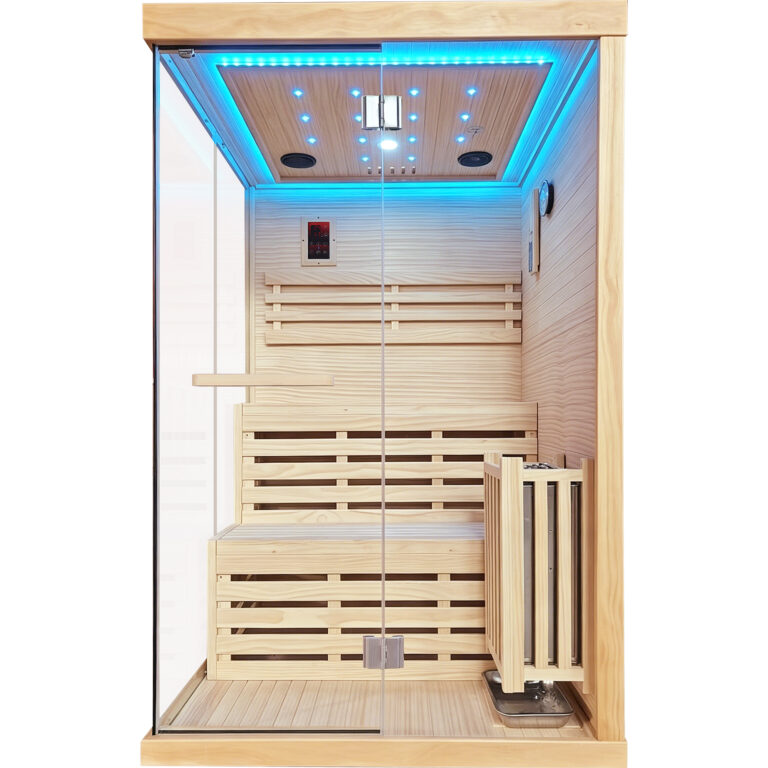
Keep sales materials aligned with that version. If a product image shows a different controller or seating arrangement, update the image or explain the difference before launch. For distributors managing several variants, use distinct SKU records so packaging and manuals are not mixed between models.
Can we start with a standard catalog model?
A catalog model provides a useful starting reference. Send the product link and requested branding or configuration changes; ask MAJUS to confirm what can be offered for that particular project.
Does adding our logo establish market compliance?
No. Branding does not establish whether the final product configuration meets destination requirements. Request the relevant documentation for the exact model and have the appropriate technical parties review the intended market.
What determines an OEM project’s lead time?
The change scope, sample revisions, component availability, artwork approval and order quantity all need review. Ask for a project-specific schedule with approval milestones; this guide does not promise a fixed production period.
Before sending your brief, compare infrared and traditional sauna models and prepare the quantities using our wholesale RFQ checklist.
Discuss your sourcing project with MAJUS: send your company name, destination market, preferred model, quantity by model and target delivery window through our contact page or website chat. Ask us to confirm the specification, available options and commercial terms in writing before placing an order.
Separate standard options from engineering changes
Competitor OEM pages often group branding, wood selection, controls, dimensions and heating changes under “customization.” For a workable MAJUS brief, classify each request as a standard option, a quotation item or an engineering change. Ask for a revised drawing when a change affects the cabin structure, electrical system, glass, heater or packaging.
Include the target market, intended application, sales channel and expected order mix. The same branded cabin may require different documentation or configuration review for a home retailer, hotel project or gym. Keep the approved sample, artwork version, component list and manual revision together.